Foot Corn Treatment in Glasgow
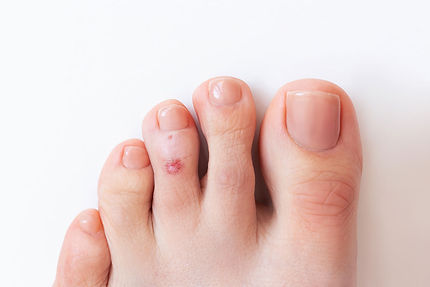
Foot corns are small, hard areas of thickened skin that form when your foot is repeatedly exposed to pressure or friction, usually from poorly fitting footwear, your foot shape, or the way you walk. Foot corns can often feel like a sharp “stone in your shoe” type of pain and may make every day walking uncomfortable.
At AA Podiatry (clinics at Shettleston and Clarkston), our HCPC-registered podiatrists assess why the corn has formed, provide safe treatment, and help you reduce the chance of it coming back.

How do foot corns develop and what are they?
A corn is your body’s protective response to repeated pressure. Corns develop when the skin responds to ongoing pressure by creating a firm, compact area of hard skin that can become painful.
Corns commonly develop:
-
on the tops or sides of toes (often where footwear rubs)
-
between toes (softer “interdigital” corns)
-
under the ball of the foot (from pressure points when walking)
A corn is different from a callus: Calluses tend to spread over a larger area, but corns are smaller and more defined — and can be quite tender or sharp to walk on.
What causes corns?
Foot corns usually come from a combination of pressure, friction, and foot mechanics (how you walk or exercise). Common causes include:
Footwear
Foot corns usually come from a combination of pressure, friction, and foot mechanics (how you walk or exercise). Common causes include:
Foot shape and toe position
-
tight or narrow toe boxes
-
high heels shifting pressure onto the front of the foot
-
shoes that rub due to poor fit, worn lining, or seams within the upper of the shoe
How you walk
-
uneven foot pressures can overload specific areas of the forefoot
-
reduced cushioning under the ball of the foot, caused by thinning on fatty padding
-
altered gait from previous injury or poor footwear support
Skin and lifestyle factors
-
dry skin that thickens and cracks
-
lots of standing/walking (especially on hard floors)
-
not addressing hard skin early enough through a proper footcare routine
How do you know if you have a corn?
Typical signs include:
-
a small, round, hard patch of skin
-
pain on direct pressure
-
You might notice a firmer, central spot of hard skin, but it’s not always easy to see
-
redness or soreness around the area after wearing shoes
Corn vs verruca (wart): what’s the difference?
People often confuse the two. A verruca may look more irregular in appearance, develop in clusters and may hurt more when squeezed. Corn pain is often directly linked to pressure points and footwear. If you’re unsure, it’s worth getting it checked — treating the wrong thing wastes time and may make symptoms worse.
What does a podiatrist do for foot corns?
The key is safe removal and finding the cause that created the corn in the first place.
1) Clinical assessment.
At AA podiatry our podiatrists look at:
-
where the corn is and how it’s behaving.
-
your footwear and how it fits to your foot.
-
foot structure and toe position.
-
how pressure is distributed when you stand and walk.
2) Safe corn removal - debridement.
A podiatrist can safely remove the hard skin and ease the painful, pressure‑point area with sterile instruments. This typically:
-
reduces pain quickly.
-
makes walking more comfortable.
Importantly, we remove corns safely and precisely, without harming the healthy skin around them.
3) A reduction of pressure.
To help prevent recurrence, we may recommend:
-
footwear advice and changes.
-
padding or silicone toe props to reduce rubbing around toes.
-
insoles/orthoses when foot mechanics are driving pressure and causing the pain.
-
advice on moisturising and home care.
4) Extra caution for higher-risk feet.
If you have diabetes, poor circulation, neuropathy, or are on blood thinners, corn care needs extra care. DIY trimming is risky and we DO NOT advise this - a small cut can become a bigger problem quickly. In these cases, professional treatment is strongly recommended.
How to prevent foot corns
(and stop them coming back)
Corns usually return if the pressure source remains, so prevention is about reducing friction and managing load on the affected area.
Choose the right shoes
Look for:
-
a wider toe box (no toe squeezing)
-
stable, low heel height
-
soft uppers with minimal seams around the problem area
-
secure fastenings so your foot doesn’t slide forward
-
adequate cushioning and support if you stand/walk a lot
Manage pressure points
-
use appropriate pads/spacers/insoles (best chosen with guidance from us).
-
don’t ignore early hard skin - treat it before it becomes painful.
Moisturise properly
Keeping skin supple can reduce cracking and thickening:
-
use a urea-based foot cream regularly (avoid between toes unless advised)
-
gentle filing use can help some people, but don’t overdo it
Address the underlying mechanics
If corns are recurring, it’s often because of how pressure travels through the foot. Insoles/orthoses, footwear support, and toe alignment devices can make a big difference.
Safe self-care - and what to avoid!
What you can do:
-
switch to roomier shoes and socks that don’t compress toes
-
moisturise dry skin regularly
-
reduce high-heel wear if it’s contributing
Avoid:
-
cutting corns with blades, you won’t be able to see where the corn is or the difference between that and healthy skin.
-
using strong corn plasters with acids especially if you have diabetes, poor circulation, neuropathy, or fragile skin
-
repeatedly picking at the area - this increases infection risk.
If you’re not sure what’s safe for you, it’s better to ask before trying over-the-counter treatments.
Foot Corns - FAQ's
What is a corn on your foot?
A corn is a small area of hard, thickened skin that forms in response to pressure or friction. It often develops over a bony area and can feel painful when pressed.
What does a corn look like on your foot?
A corn appears as a firm, circular patch of hard skin with overlying callus. The area is usually well‑defined, thicker than the surrounding skin, and tender in footwear.
What causes a corn on the foot?
Corns are caused by repeated pressure or rubbing. Common reasons include tight shoes, high heels, toe deformities (like hammer toes), or changes in the way you walk that increase pressure on certain areas.
How to treat a corn on foot?
Corns can be safely and painlessly reduced by a podiatrist. They can also advise on footwear, padding, and ways to reduce pressure, so the corn is less likely to return. Avoid cutting corns yourself, as this can cause injury or infection.
Book to have foot corn treatment at AA Podiatry
What you can do:
If you’re looking to have your feet assessed and have foot corn treatment, AA Podiatry can help you get comfortable again - and keep it that way with practical prevention advice. Book a treatment session at one of our Glasgow clinics.
Appointments available at:
-
Clarkston Clinic
-
AA Podiatry – Clarkston
150 Busby Road, Glasgow G76 8BH -
Access: On-street parking; near Clarkston rail station
Telephone: 0141 644 2244
-
-
Shettleston Clinic
-
AA Podiatry – Shettleston
1306 Shettleston Road, Glasgow, G32 7YS
Access: Street-level entrance. Nearby bus routes on Shettleston Rd.
Telephone: 0141 778 4400
-